
Table of Contents
- What Is a Variable-Speed Heat Pump?
- Energy Efficiency and Lower Utility Bills
- Heat Pump Energy Efficiency Ratings Explained
- Variable Speed vs Single-Stage Heat Pump: What’s the Difference?
- Enhanced Comfort and Humidity Control
- Federal Tax Credits for Heat Pumps and Long-Term Savings
- Is Variable-Speed Technology Worth the Cost?
- Conclusion
- Frequently Asked Questions
Last Updated: September 21, 2026
What Is a Variable-Speed Heat Pump?
A variable-speed heat pump is a heating and cooling system that adjusts its compressor speed based on your home’s actual temperature needs rather than running at full capacity or shutting off completely, delivering variable speed heat pump benefits through precise climate control. The inverter-driven compressor modulates its output continuously, matching the load in your space to deliver precise climate control without the energy waste of traditional single-stage systems.
Instead of cycling on and off, a variable-speed heat pump ramps up or down smoothly to match demand. When your home needs light heating on a mild day, the compressor runs at 30% capacity; when demand increases, it accelerates to meet it. This constant adjustment means fewer temperature fluctuations, less compressor wear, and significantly lower energy consumption.
Energy Efficiency and Lower Utility Bills
Variable-speed systems use far less electricity than single-stage units because they run at partial capacity instead of cycling between full output and shutdown. They eliminate startup power surges by maintaining continuous, modulated operation.
Real-world savings depend on your home’s insulation, ductwork condition, and outdoor temperature. Homes with well-sealed ductwork and modern insulation see more dramatic savings than older homes with air leaks.
Many homeowners report noticeable energy bill decreases within the first billing cycle. Savings correlate directly with how much your previous system cycled, replacing a constantly-running single-stage unit yields substantial gains.
Heat Pump Energy Efficiency Ratings Explained
The seasonal energy efficiency ratio (SEER) measures cooling performance, while heating seasonal performance factor (HSPF) measures heating efficiency. Both reflect average performance across a full season, not peak conditions.
Variable-speed systems typically achieve SEER ratings of 16-22 and HSPF ratings of 8-10, compared to single-stage units at 13-15 SEER and 7-8 HSPF.
Higher ratings indicate greater efficiency, but real-world performance depends on proper installation, ductwork design, and maintenance. A high-rated unit in a home with leaky ducts won’t deliver its rated efficiency.
Variable Speed vs Single-Stage Heat Pump: What’s the Difference?
A single-stage heat pump operates at full capacity or not at all, running at maximum output until the setpoint is reached, then shutting down completely until the temperature drops enough to trigger another cycle.
Variable-speed systems eliminate this binary approach by adjusting continuously from 25% to 100% capacity, matching your home’s actual thermal load. During mild weather, the system runs at low capacity; during extreme conditions, it ramps up smoothly without the energy surge of a full-capacity startup.
Variable-speed systems maintain thermal equilibrium more consistently, use less energy by running at partial load, and reduce mechanical stress on the compressor, extending system lifecycle and reducing repair frequency.
If your current system cycles noticeably, you hear it kick on and off frequently, a variable-speed upgrade will likely eliminate that behavior entirely. The continuous modulation of a variable-speed compressor is nearly silent compared to the startup surge of traditional systems.
Enhanced Comfort and Humidity Control
Variable-speed heat pumps operate continuously at lower capacity, allowing more effective humidity management. The blower motor runs at variable speeds matched to conditions, maximizing dehumidification without cold drafts or excessive airflow.
Single-stage systems stop removing moisture once the temperature setpoint is reached. Variable-speed systems continue gentle operation, extracting humidity even at setpoint, preventing the sticky feeling that occurs during mild but humid weather.
Ductwork Compatibility: A Hidden Requirement
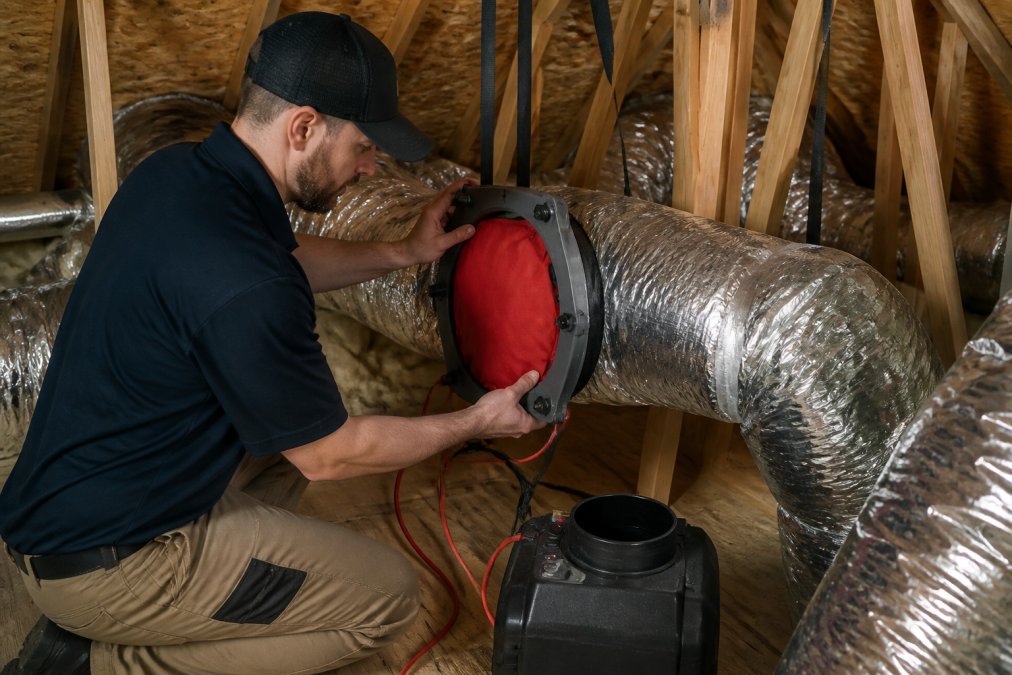
Variable-speed systems require properly designed ductwork to deliver their benefits. If your home has undersized ducts, excessive bends, or air leaks, the compressor cannot modulate effectively and may short-cycle or run at higher capacity, negating efficiency gains.
Before upgrading, a professional should perform a duct leakage test and static pressure measurement. Many older homes exceed ACCA standards, requiring duct sealing or redesign to unlock variable-speed benefits.
Smart Thermostat Integration for Optimized Humidity
Smart thermostats communicate with variable-speed systems to optimize operation based on occupancy, time of day, and weather forecasts, maintaining tighter temperature bands and adjusting humidity control preemptively.
The continuous operation of variable-speed systems means your home stays at your desired temperature and humidity level more consistently. You won’t experience the temperature swings or humidity spikes that occur when single-stage systems cycle on and off. However, this benefit depends entirely on proper ductwork design, a requirement that should be verified before installation.
Federal Tax Credits for Heat Pumps and Long-Term Savings
Heat pump installations qualify for federal tax credits that reduce your upfront investment. The Inflation Reduction Act provides substantial incentives for residential heat pump upgrades (Home Upgrades). These credits apply to both air-source and ground-source heat pump installations, making the long-term economics more favorable than the sticker price suggests.
The credits are structured to encourage efficiency improvements. The credit is nonrefundable, meaning it reduces your federal tax liability dollar-for-dollar up to the maximum allowed amount. Many homeowners find that combining the federal credit with state or local utility incentives significantly reduces their net installation cost.
Long-term savings accumulate through reduced energy consumption over the system’s 15-20 year lifespan. A variable-speed system that reduces energy use by 20-30% compared to your previous system generates substantial cumulative savings.
Anthony & Son Indoor Air Quality, LLC can help you understand available incentives and structure your installation to maximize eligibility.
Is Variable-Speed Technology Worth the Cost?
The upfront cost of a variable-speed heat pump exceeds that of a single-stage system. The inverter-driven compressor, advanced controls, and variable-speed blower motor add to the equipment price. Installation complexity may also differ slightly depending on your existing ductwork and control system compatibility.
Repair Complexity and Parts Availability: What You Should Know
One factor rarely discussed in cost-benefit analyses is the complexity of repairs and the availability of replacement parts. Variable-speed heat pumps contain inverter-driven compressors and sophisticated control boards that require specialized diagnostic equipment and training to service. If your system develops a refrigerant leak, a failed compressor, or a control board malfunction, repair costs can be significantly higher than for single-stage systems.
Don’t purchase a variable-speed system without confirming that qualified technicians are available in your area. If your region has only one HVAC contractor and they lack variable-speed training, you could face extended downtime and inflated repair costs. Ask the installer for references from other customers and verify they have factory certification from the manufacturer.
Long-Term Payback and Financial Viability
The decision hinges on your situation. If you’re replacing an aging single-stage system and plan to stay in your home for at least 7-10 years, variable-speed technology typically justifies its higher initial cost through cumulative energy savings and reduced maintenance. If you’re in a short-term situation or have budget constraints, a high-efficiency single-stage system remains a solid choice, though you’ll sacrifice some efficiency and comfort gains.
Consider these financial factors:
- Equipment cost premium: Variable-speed systems typically cost more than comparable single-stage units (equipment only, before installation).
- Energy savings: A 20-30% reduction in energy consumption translates to significant annual savings for the average household, depending on climate and utility rates.
- Federal tax credits: The Inflation Reduction Act provides credits for heat pump installations, which directly offset upfront cost.
- Maintenance savings: Reduced repair frequency and lower compressor stress can save annually in avoided service calls.
- Payback period: With federal credits factored in, many installations reach payback within a reasonable timeframe; without credits, it takes longer.
| Comparison Factor | Variable-Speed | Single-Stage |
|---|---|---|
| Upfront Cost | Higher (+$2,000-$4,000) | Lower (baseline) |
| Energy Consumption | 20-30% lower | Baseline |
| Temperature Stability | Excellent | Moderate |
| Humidity Control | Superior | Basic |
| Noise Level | Very quiet | Audible cycling |
| System Lifespan | Longer (15-20 years) | Standard (12-15 years) |
| Maintenance Frequency | Lower (fewer repairs) | Higher (more cycling stress) |
| Repair Cost (if needed) | Higher per incident | Lower per incident |
| Technician Availability | Requires specialized training | Widely available |
Variable-speed technology is worth the cost if you plan to stay in your home long-term, have access to qualified service providers, and can invest in proper ductwork assessment before installation. The combination of energy savings, reduced maintenance, and federal incentives creates a compelling financial case over a 10+ year horizon. However, if you’re in a short-term situation or live in an area with limited HVAC service infrastructure, a high-efficiency single-stage system may be the more practical choice.
Conclusion
Variable-speed heat pump technology represents the current best practice in residential climate control. The combination of superior energy efficiency, enhanced comfort, and long-term cost savings makes these systems the logical choice for most homeowners planning an HVAC upgrade. When you factor in federal tax credits and the reduced maintenance requirements compared to single-stage systems, the investment becomes even more compelling.
Frequently Asked Questions
Is a variable speed heat pump worth the extra cost?
Yes, for most homeowners. Variable-speed heat pumps cost more upfront but deliver lower energy consumption than single-stage systems. Federal tax credits (under the Inflation Reduction Act) reduce your net investment. With lower monthly utility bills, the payback period typically ranges within a few years. After that, you’re saving money annually. The longer you own your home, the more the investment pays off.
How much energy can you save with a variable speed heat pump?
Variable-speed heat pumps reduce energy consumption compared to single-stage systems because the compressor adjusts output to match your heating or cooling load. Instead of running at full capacity and cycling on/off, the inverter-driven compressor modulates continuously, eliminating wasted energy. Your actual savings depend on climate, home insulation, thermostat settings, and how often you run the system. Homeowners in this region typically see significant annual utility savings.
Do variable speed heat pumps qualify for federal tax credits?
Yes. The Inflation Reduction Act allows homeowners to claim federal tax credits for heat pump installation (including variable-speed models). The credit applies to both heating and cooling systems. Your home must meet energy efficiency requirements, and installation must be performed by a certified professional. Credits are claimed on your federal tax return the year the system is installed. Check the IRS website or consult a tax professional to confirm your eligibility based on income limits.
What is the difference between single-stage and variable speed heat pumps?
Single-stage heat pumps run at full capacity or off, no middle ground. They cycle frequently, creating temperature fluctuations and wasting energy. Variable-speed heat pumps use an inverter-driven compressor that adjusts output continuously to match your heating or cooling demand. This modulating technology maintains more stable indoor temperatures, reduces cycling frequency, cuts energy consumption, and extends system lifespan. Variable-speed systems also provide superior humidity control and quieter operation because the compressor runs at lower speeds most of the time.