Table of Contents
- What Indoor Air Quality Specialists Do
- Signs of Poor Indoor Air Quality You Shouldn’t Ignore
- Common Indoor Air Pollutants and Health Hazards
- Indoor Air Quality Testing Cost and What Affects Pricing
- Home Air Quality Inspection Checklist: What Specialists Evaluate
- How to Choose a Certified Indoor Air Quality Specialist
- DIY Testing vs. Professional Air Quality Assessment
- What Happens After Testing: Interpreting Results and Next Steps
Last Updated: August 6, 2026
What Indoor Air Quality Specialists Do
Indoor air quality specialists are certified professionals who assess, diagnose, and remediate air pollution problems inside homes and commercial buildings. They test for mold, radon, asbestos, volatile organic compounds (VOCs), particulate matter, carbon monoxide, formaldehyde, and other airborne contaminants. They evaluate ventilation systems, HVAC performance, humidity levels, and air exchange rates to determine whether your indoor environment meets healthy standards.
Most people don’t realize how contaminated indoor air can become. Your home or office may trap pollutants from building materials, cleaning products, cooking, pet dander, dust mites, and outdoor air that seeps inside. Without proper ventilation and maintenance, these contaminants accumulate to levels that trigger allergies, asthma, respiratory issues, and other health problems. After identifying problems, specialists recommend remediation strategies ranging from simple (improving ventilation) to complex (mold remediation, radon mitigation systems, HVAC upgrades).
Signs of Poor Indoor Air Quality You Shouldn’t Ignore
Poor indoor air quality often announces itself through physical symptoms and environmental clues. Common symptoms include persistent headaches, fatigue, difficulty concentrating, worsening allergies, asthma attacks, sinus congestion, itchy eyes, throat irritation, and skin reactions. If multiple people in a household or office develop similar symptoms, poor air quality is often the culprit.
Environmental signs include visible mold growth, musty odors, water stains on ceilings or walls, persistent dampness, stale air, and unpleasant chemical smells from new furniture, flooring, or paint. New construction or recently renovated homes present special risks, as building materials, adhesives, and paints emit VOCs during their first months. Older homes built before the 1980s may contain asbestos in insulation, floor tiles, or pipe wrapping. Homes with basements in certain regions face radon infiltration, an odorless, colorless radioactive gas.
If you notice mold growth, persistent musty smells, or unexplained respiratory symptoms affecting multiple household members, contact a certified indoor air quality specialist immediately. Delaying testing can allow contamination to spread and health effects to worsen.
Common Indoor Air Pollutants and Health Hazards
Mold and mildew thrive in damp environments and produce spores that trigger allergies, asthma attacks, and respiratory infections. Toxic mold species like Stachybotrys chartarum (black mold) produce mycotoxins that cause more severe health effects.
Radon is a naturally occurring radioactive gas that seeps into homes through foundation cracks and basement walls. It’s the second leading cause of lung cancer after smoking. Radon has no odor, color, or taste, so testing is the only way to know exposure levels.
Asbestos was widely used in insulation, floor tiles, roofing, and pipe wrapping in homes built before 1980. When asbestos-containing materials deteriorate, they release microscopic fibers that lodge in lungs and cause mesothelioma, lung cancer, and asbestosis decades later.
Volatile organic compounds (VOCs) are gases emitted from paints, varnishes, cleaning products, air fresheners, new furniture, and building materials. Formaldehyde, a common VOC, causes eye and respiratory irritation and is classified as a carcinogen.
Particulate matter includes dust, pollen, pet dander, dust mites, and skin cells. Fine particles (PM 2.5) penetrate deep into lungs and bloodstream, triggering inflammation and cardiovascular problems.
Carbon monoxide (CO) is produced by combustion appliances like furnaces, water heaters, and fireplaces. Leaks from faulty equipment or blocked vents create dangerous CO concentrations that cause headaches, dizziness, nausea, and death in severe cases.
Biological contaminants include bacteria, viruses, dust mites, cockroach allergens, and pet dander. These thrive in humid environments and poorly maintained HVAC systems.
Professional air sampling measures actual pollutant concentrations rather than relying on visible signs. Many serious contaminants like radon, CO, and VOCs are invisible and odorless, making testing essential for comprehensive assessment.
Indoor Air Quality Testing Cost and What Affects Pricing
Testing costs vary significantly based on the scope of assessment, the number of contaminants tested, whether samples require lab analysis, and your location. Basic air quality assessments using portable monitors cost less than comprehensive testing involving multiple samples sent to laboratories. Lab analysis adds cost because each pollutant tested incurs separate lab fees.
Your home’s size and complexity affect pricing. Larger homes require more sampling locations. Homes with basements, crawl spaces, and multiple HVAC zones need more extensive testing. Older homes with suspected asbestos or homes in radon-prone regions may require specialized assessment protocols.
Geographic location influences costs. Urban areas typically have more competition and lower pricing than rural regions. Homes in areas with known radon problems or mold-prone climates may have higher baseline costs.
Request detailed quotes from multiple specialists that break down testing costs, lab analysis fees, and recommended remediation steps separately. This helps you understand what drives pricing and compare apples to apples.
Home Air Quality Inspection Checklist: What Specialists Evaluate
Professional indoor air quality specialists follow systematic evaluation protocols that cover all major contamination sources and system performance factors.
Visual inspection examines the building envelope for visible mold, water damage, moisture stains, and structural problems. Specialists check caulking around windows and doors, inspect basement walls for cracks and seepage, and examine all visible HVAC components, ductwork, air handlers, and filters.
Ventilation assessment evaluates whether your HVAC system exchanges indoor air with outdoor air at adequate rates. Specialists verify that exhaust fans vent completely outside, that air returns aren’t blocked, and that the system maintains proper air pressure balance.
Humidity measurement determines whether moisture levels support mold and dust mite growth. Specialists use hygrometers to measure relative humidity throughout the home. Levels above 60% encourage mold; levels below 30% cause dry skin and respiratory irritation.
Pollutant sampling involves collecting air samples from multiple locations using calibrated equipment. Samples are sent to certified laboratories for analysis of mold spores, asbestos fibers, VOCs, radon, and other contaminants.
Carbon monoxide testing uses portable CO detectors to measure concentrations near combustion appliances and check for proper venting and leaks.
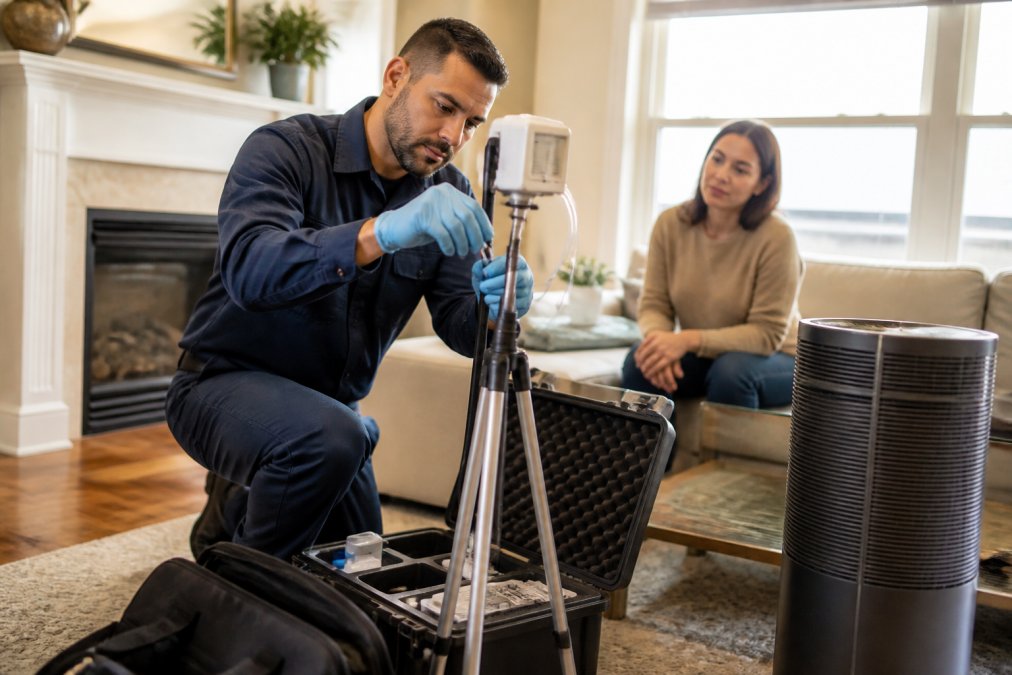
Asbestos assessment involves identifying materials that may contain asbestos and collecting samples for laboratory analysis.
Documentation includes photographs, written observations, pollutant measurements, and lab results compiled into a comprehensive report that becomes your roadmap for remediation priorities.
How to Choose a Certified Indoor Air Quality Specialist
Selecting the right specialist prevents wasted money on unnecessary testing, ensures accurate results, and guarantees that remediation recommendations are sound.
Verify professional credentials. Look for specialists certified by the Indoor Air Quality Association (IAQA), the American Conference of Governmental Industrial Hygienists (ACGIH), or state-specific licensing boards. These certifications require training, testing, and continuing education.
Check insurance and licensing. Licensed specialists should carry liability insurance and workers compensation coverage. Ask for proof of licensing and insurance before scheduling service.
Review experience with your specific concerns. If you suspect mold, choose a specialist with extensive mold inspection experience. If radon is your concern, select someone certified in radon testing and mitigation.
Request references and check reviews. Ask for contact information from recent clients and read online reviews on Google, Yelp, and the Better Business Bureau. Look for patterns in feedback about accuracy, professionalism, and effectiveness.
Understand their testing methodology. Ask how they collect samples, which laboratories they use, and how they ensure chain of custody. Reputable specialists use accredited laboratories and follow EPA or industry-standard protocols.
Compare written quotes. Request detailed quotes that itemize testing costs, lab analysis fees, and remediation recommendations. Avoid specialists who pressure you to commit to remediation before testing results are complete.
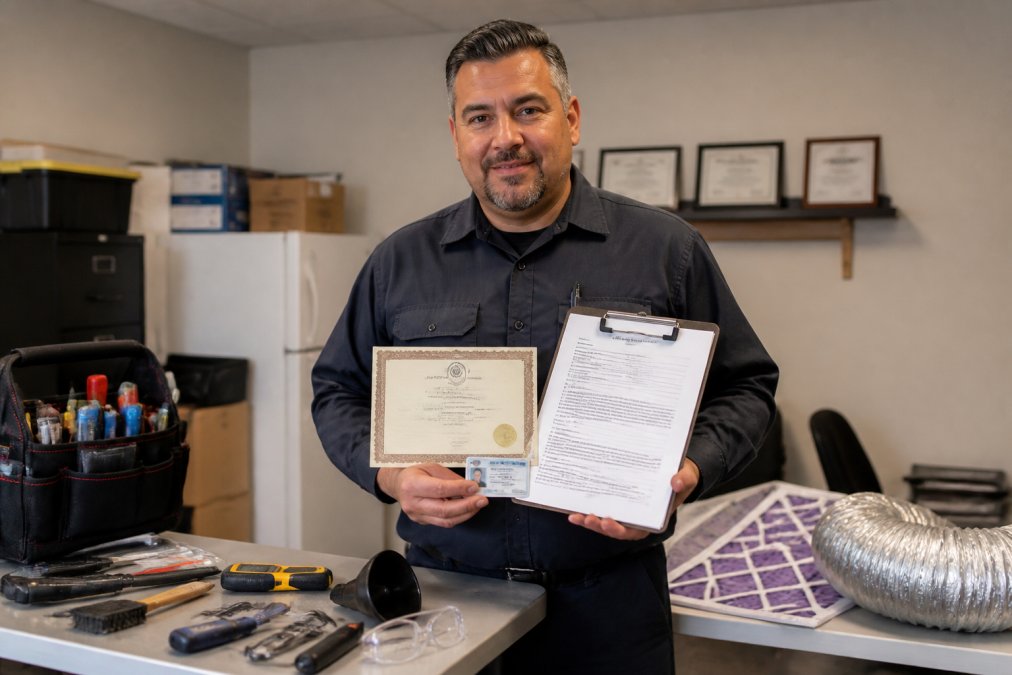
Ask about warranty and follow-up. Quality specialists offer post-remediation verification testing to confirm that problems were actually solved.
DIY Testing vs. Professional Air Quality Assessment
Homeowners face a decision between purchasing DIY testing kits and hiring professional indoor air quality specialists.
DIY radon testing uses passive devices you place in your home for 2-7 days and mail to a laboratory. These kits cost significantly less than professional assessment but don’t account for seasonal variations, don’t identify radon entry points, and don’t lead to mitigation system design.
DIY mold testing involves surface swabs or air sampling devices that homeowners collect themselves. The problem is that mold is everywhere in small quantities. DIY results rarely distinguish between normal background mold and problem contamination.
DIY air quality monitors measure CO, humidity, temperature, and sometimes particulate matter. They’re useful for ongoing monitoring but don’t identify contamination sources or quantify serious contaminants like radon, asbestos, or VOCs.
Professional assessment advantages include access to calibrated equipment, trained interpretation of results, identification of contamination sources, and remediation recommendations backed by expertise. Professionals understand building science, HVAC performance, and how different systems interact.
When DIY makes sense: Initial screening for radon in a new home, ongoing humidity monitoring in a basement, or CO testing near combustion appliances.
When professional assessment is essential: If you have visible mold, suspect asbestos, experience respiratory symptoms, are buying an older home, or need documentation for insurance or real estate purposes.
What Happens After Testing: Interpreting Results and Next Steps
Test results only matter if you understand what they mean and act on them appropriately.
Understanding lab results requires knowing the standards that define safe versus unsafe levels. For radon, the EPA recommends mitigation if levels exceed 2.0 picocuries per liter (pCi/L). For mold, elevated spore counts relative to outdoor baseline suggest indoor contamination. For asbestos, any confirmed presence requires removal or encapsulation.
Radon mitigation typically involves installing a sub-slab depressurization system that vents radon safely away from the home. These systems reduce radon concentrations by 99% when properly installed. Post-mitigation testing confirms effectiveness.
Mold remediation depends on contamination extent. Surface mold requires addressing the moisture source first, then cleaning or removing affected materials. Extensive mold requires professional abatement with containment, HEPA filtration, and proper disposal.
VOC reduction often involves improving ventilation, removing or replacing off-gassing materials, and allowing adequate time for new products to cure.
HVAC improvements might include upgrading filters to higher MERV ratings, sealing duct leaks, cleaning ducts, installing UV germicidal lights, or upgrading to a system with better ventilation capacity.
Post-remediation verification involves repeat testing to confirm that problems were solved.
Poor indoor air quality silently affects your family’s health, your home’s value, and your comfort every single day. When you notice symptoms, see visible mold, or simply want to ensure your air is safe, professional assessment provides the clarity and expertise you need. Anthony & Son Indoor Air Quality, LLC brings certified expertise, advanced testing equipment, and honest remediation recommendations to homeowners and businesses throughout Maryland, DC, and Northern Virginia. Contact us today for a comprehensive air quality assessment that identifies hidden hazards and delivers solutions you can trust.
Frequently Asked Questions
What certifications should an indoor air quality specialist have?
Look for technicians certified by the National Association of Certified Home Inspectors (NACHI), the American Society of Home Inspectors (ASHI), or holding EPA certifications in mold remediation and lead-based paint. HVAC technicians should be licensed in your state and carry EPA Section 608 certification for handling refrigerants. Verify credentials directly with licensing boards in Maryland, DC, or Virginia before hiring.
How much does it cost to get your air quality tested in your home?
Indoor air quality testing costs depend on the scope of testing, number of pollutants assessed, and whether lab analysis is included. Basic screening may cost less than comprehensive testing for mold, radon, asbestos, and VOCs. Pricing also varies by location and specialist. Contact local specialists for quotes tailored to your home's specific concerns and testing needs.
How often should you have your home's air quality tested?
Most homes benefit from annual air quality assessments, especially in older properties or after visible mold, water damage, or HVAC issues. If you have health symptoms like respiratory problems or allergies that worsen indoors, testing sooner is wise. Post-remediation testing confirms that mold removal or other treatments worked. A specialist can recommend a testing schedule based on your home's condition.
Is indoor air quality testing worth it?
Yes, if you suspect poor indoor air quality or have health concerns. Testing identifies hidden hazards like radon, mold, asbestos, or elevated VOCs that you cannot detect by sight or smell alone. Knowing what pollutants are present lets you take targeted action, protect your family's health, and improve HVAC system performance. For older homes or properties with complaints, testing provides peace of mind and guides remediation decisions.
This article was written using GrandRanker