
Table of Contents
- Why Improving Indoor Air Quality Matters for Your Health
- Signs of Poor Indoor Air Quality You Shouldn’t Ignore
- Ventilation: The Foundation of Healthy Indoor Air
- Best Air Purifiers for Home: What Actually Works
- How to Reduce Indoor Allergens and Airborne Contaminants
- Reducing VOCs and Chemical Off-Gassing in Your Home
- Smart Home Integration and Air Quality Monitoring
- Seasonal Changes and Pet-Specific Air Quality Challenges
Last Updated: August 12, 2026
Why Improving Indoor Air Quality Matters for Your Health
Most people spend 90% of their time indoors yet rarely consider what they’re breathing. Poor indoor air quality exposes your family to pollutants, allergens, and chemical contaminants that accumulate silently over weeks and months.
Airborne particles, mold spores, dust mites, pet dander, and volatile organic compounds (VOCs) trigger respiratory problems, allergies, asthma, and fatigue. Indoor air can be 2-5 times more polluted than outdoor air, according to EPA indoor air quality research. Your HVAC system, ventilation strategy, and filtration approach directly determine whether your home circulates clean, healthy air or recycles contaminants through every room.
The good news: improving indoor air quality doesn’t require expensive overhauls. It requires understanding the core drivers of air quality and addressing them strategically.
Signs of Poor Indoor Air Quality You Shouldn’t Ignore
Persistent indoor odors, stale, musty, or chemical-like, suggest inadequate air circulation or off-gassing from materials and furniture. Musty smells specifically indicate moisture problems and potential mold growth.
Visible dust accumulation within days of cleaning signals ineffective air filtration. Increased sneezing, congestion, or itchy eyes indoors, particularly in specific rooms, indicate airborne allergens and poor ventilation.
Condensation on windows, especially in bathrooms and bedrooms, indicates excessive humidity and poor moisture control. High humidity creates an ideal environment for mold spores and dust mites.
Unexplained fatigue, headaches, or difficulty concentrating while at home, symptoms that improve when you leave, point to indoor air quality issues. This pattern suggests your home’s air contains contaminants or insufficient oxygen circulation.
If you notice any combination of these signs, your home needs attention. The solution starts with understanding ventilation, which is the foundation of every healthy indoor environment.
Ventilation: The Foundation of Healthy Indoor Air
Ventilation is the single most important factor in maintaining healthy indoor air quality. Without adequate air exchange, pollutants accumulate regardless of how many filters you install. Ventilation removes stale air, moisture, and contaminants while bringing in fresh outdoor air.
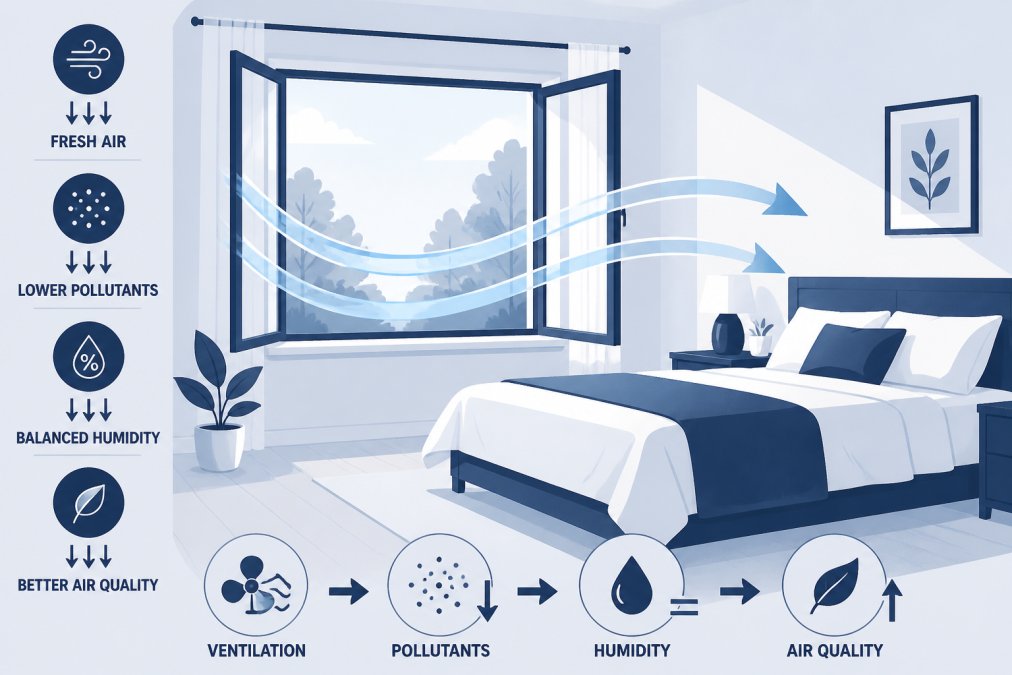
Natural Ventilation vs. Mechanical Ventilation
Natural ventilation relies on opening windows and doors to allow outdoor air to flow through your home. This approach is free and effective in mild weather, but you can’t control the air exchange rate, you lose heated or cooled air, and you can’t filter incoming air.
Mechanical ventilation uses your HVAC system or dedicated ventilation units to control air movement precisely. Your furnace circulates air through ductwork, while exhaust fans in bathrooms and kitchens remove moisture and odors at the source. The advantage is control: you determine how much fresh air enters, and you can filter it before circulation.
The most effective approach combines both. Open windows on mild days to supplement mechanical ventilation, but rely on your HVAC system for consistent, filtered air exchange year-round. Your air exchange rate should be between 0.5 and 1.0 air changes per hour (ACH), meaning the entire volume of air in your home is replaced every 1-2 hours.
Exhaust fans in bathrooms and kitchens are critical for removing moisture and cooking odors immediately at their source. Running these fans during and for 20-30 minutes after showers or cooking makes a measurable difference in humidity control.
Best Air Purifiers for Home: What Actually Works
An air purifier is a mechanical filtration device that pulls air through filters designed to capture specific contaminants. Not all air purifiers are equally effective.
The most important specification is the Clean Air Delivery Rate (CADR), which measures how many cubic feet of clean air the unit delivers per minute. A CADR of 300+ is generally effective for a typical bedroom or living room.
Position your air purifier in the room where you spend the most time, typically your bedroom, rather than spreading multiple weak units throughout your home. A single high-performance purifier in your bedroom will improve your sleep quality and respiratory health more effectively.
HEPA Filters and Filtration Efficiency
A HEPA filter captures 99.97% of airborne particles 0.3 microns or larger, including dust, pollen, pet dander, mold spores, and bacteria. HEPA filtration is the gold standard for mechanical air purification.
However, HEPA filters do not capture VOCs, gases, or odors. For those contaminants, you need activated carbon filtration in addition to HEPA. A quality air purifier combines both: HEPA for particulate matter and activated carbon for chemical off-gassing.
The best units balance strong HEPA filtration with sufficient CFM (cubic feet per minute) to clean your room multiple times per hour. Most HEPA filters need replacement every 6-12 months depending on usage and air quality. Activated carbon filters may need replacement every 3-6 months. Budget for these replacement costs when evaluating air purifier options.
How to Reduce Indoor Allergens and Airborne Contaminants
Reducing allergens and contaminants requires a multi-layered approach: controlling sources, filtering air, and maintaining your environment regularly.
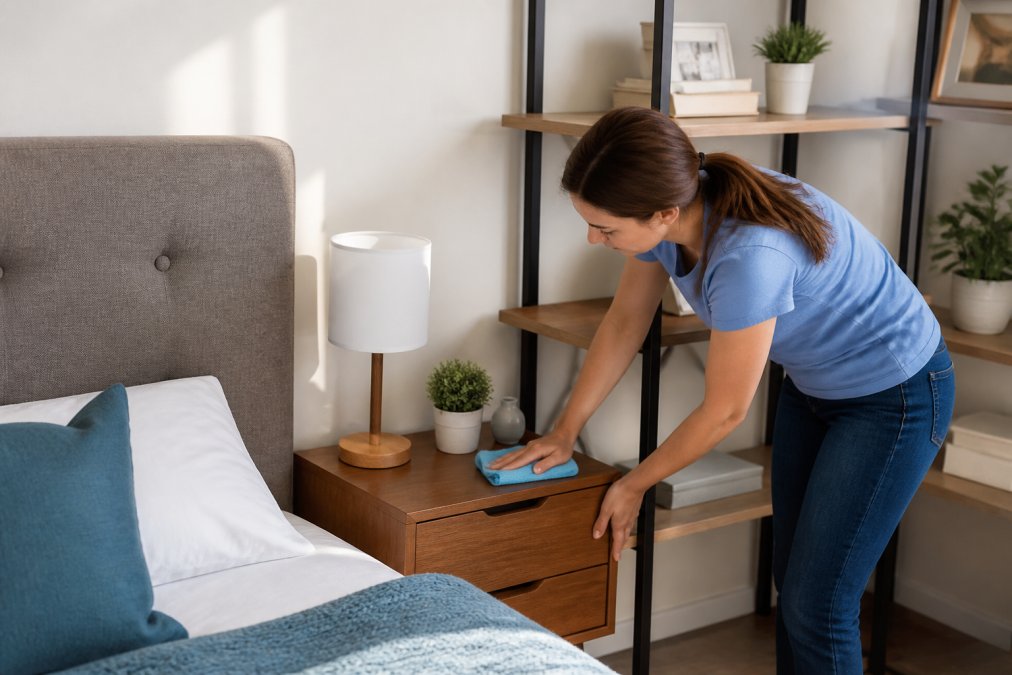
Controlling Pollution Sources at the Root
The most effective strategy is preventing pollutants from entering your air in the first place. Controlling sources is more efficient than filtering everything after it’s already circulating.
Pet dander is a major allergen source. Regular bathing (weekly for dogs prone to shedding) reduces dander significantly. Restricting pets from bedrooms keeps your sleeping environment cleaner. Vacuuming with a HEPA filter vacuum removes dander from carpets and furniture.
Dust mites thrive in bedding, pillows, and mattresses. Washing sheets weekly in hot water kills dust mites and removes their allergens. Using dust mite-proof pillow and mattress covers creates a barrier preventing mite accumulation.
Cooking produces airborne particles and VOCs. Using your range hood exhaust fan during and after cooking removes these contaminants before they spread. Opening a window while cooking provides additional ventilation.
Cleaning products, air fresheners, and scented candles release VOCs that accumulate in poorly ventilated spaces. Switching to unscented or naturally-scented products reduces chemical off-gassing.
Moisture and mold are interconnected. Controlling humidity prevents mold growth, which eliminates a major source of airborne spores and allergens.
Managing Humidity and Moisture
The ideal indoor humidity range is 30-50%. Below 30%, your respiratory system dries out. Above 50%, mold and dust mites flourish.
Bathroom and kitchen exhaust fans are your first line of defense. Running these fans during and after moisture-generating activities removes humidity before it spreads. A bathroom exhaust fan running for 30 minutes after a shower removes most moisture that would otherwise condense on walls and windows.
If humidity remains high despite adequate ventilation, a dehumidifier removes excess moisture. This is particularly important in basements, which naturally accumulate moisture.
Dry indoor air (below 30% humidity) causes respiratory irritation, nosebleeds, and dry skin. A humidifier adds moisture during winter months when heating systems dry out indoor air.
Check for water leaks, condensation, and damp areas regularly. Leaks behind walls or in crawlspaces create hidden mold growth that contaminates your entire home’s air. Address moisture sources immediately rather than just treating the mold.
Reducing VOCs and Chemical Off-Gassing in Your Home
Volatile organic compounds (VOCs) are chemicals that evaporate at room temperature, releasing gases into your air. Common sources include paint, varnish, furniture, carpet, adhesives, and cleaning products.
New furniture and carpet release the highest concentrations of VOCs during the first few weeks after purchase. If you’re replacing carpet or furniture, improve ventilation during this period by opening windows and running exhaust fans.
Choosing low-VOC or zero-VOC paints, stains, and finishes eliminates a major source of chemical contamination. These products cost slightly more but deliver significantly better indoor air quality.
Storing chemicals, solvents, and cleaning products in sealed containers outside your living space prevents continuous off-gassing. Using natural cleaning alternatives, vinegar, baking soda, hydrogen peroxide, eliminates harsh chemical exposure.
Improving ventilation is the most direct way to reduce VOC accumulation. Opening windows on mild days, running exhaust fans, and ensuring your HVAC system has adequate fresh air intake all help dilute VOCs and remove them from your home.
Smart Home Integration and Air Quality Monitoring
Modern smart home technology allows you to monitor and control indoor air quality automatically. Air quality monitors measure particulate matter (PM2.5 and PM10), VOCs, humidity, and CO₂ levels, providing real-time data about your air quality.
These monitors connect to your smartphone, giving you alerts when air quality drops below target levels. Some units integrate with smart thermostats and ventilation systems, automatically increasing fan speed or activating exhaust fans when humidity or particulate matter rises.
Smart thermostats like Nest or Ecobee can be programmed to run your HVAC system’s fan continuously, ensuring consistent air circulation and filtration. Integration with your HVAC system allows it to monitor air quality, adjust ventilation rates automatically, and maintain optimal humidity without manual intervention.
Seasonal Changes and Pet-Specific Air Quality Challenges
Seasonal changes dramatically affect indoor air quality. Spring brings high pollen counts. Summer increases humidity and mold risk. Winter creates dry indoor air from heating systems.
Spring pollen season requires keeping windows closed during peak pollen hours (typically early morning), using your HVAC system’s filtration, and increasing air purifier usage in bedrooms. Wash bedding more frequently to remove accumulated pollen.
Summer humidity demands aggressive dehumidification and consistent exhaust fan usage. Ensure your AC unit’s condensate drain is clear and functioning properly.
Winter heating dries indoor air significantly. Running a humidifier maintains comfort and prevents respiratory irritation. Winter weather often keeps windows sealed, making mechanical ventilation and air filtration even more critical.
Pet ownership introduces constant allergen sources. Pet dander, hair, and odors require more aggressive filtration and cleaning. HEPA filters need replacement more frequently in homes with pets. Vacuum at least weekly with a HEPA filter vacuum.
Pet-specific air purifiers with enhanced filtration capacity handle the higher allergen load. Placing one in your bedroom (keeping pets out) creates a clean sleeping environment. Regular pet grooming reduces shedding and dander at the source.
Address pet odors immediately with enzymatic cleaners that break down urine and feces at the molecular level rather than just masking odors.
Improving indoor air quality requires understanding your specific challenges, whether allergens, moisture, chemicals, or poor ventilation, and implementing targeted solutions. The foundation is always ventilation and filtration working together, supported by source control and regular maintenance.
At Anthony & Son Indoor Air Quality, LLC, we help homeowners and businesses assess their air quality, identify problems, and implement comprehensive solutions. Our certified HVAC technicians can evaluate your ventilation system, recommend appropriate filtration upgrades, and ensure your HVAC system operates at peak efficiency for optimal air quality year-round. Contact us today to schedule a consultation and breathe easier in your home.
Frequently Asked Questions
What are the signs of poor indoor air quality?
Common signs include persistent headaches, respiratory irritation, excessive dust accumulation, musty odors, and visible mold or moisture. You may also notice increased allergy symptoms, fatigue, or difficulty concentrating indoors. An air quality monitor can measure particulate matter, VOCs, and carbon dioxide levels to confirm poor air quality objectively.
How often should I change my HVAC air filters?
Standard HVAC filters typically need replacement every 1-3 months, depending on usage, pets, and allergies. Homes with pets or multiple occupants may require monthly changes. HEPA filters last longer, often 6-12 months. Check your filter monthly and replace it when visibly dirty or following your system manufacturer's recommendation.
What are the best air purifiers for home use?
HEPA filters are the most effective for removing airborne particles, allergens, and mold spores. Look for purifiers with high Clean Air Delivery Rate (CADR) ratings matched to your room size. Activated carbon filters help remove VOCs and odors. For pet owners, combination units with both HEPA and carbon filtration work best. Run purifiers continuously in high-traffic areas.
Can houseplants actually improve indoor air quality?
While houseplants absorb some VOCs and produce oxygen, their air-cleaning effect is minimal compared to mechanical filtration or ventilation. Plants do help psychologically and improve overall home aesthetics. For meaningful pollutant removal, rely on HEPA filtration, proper ventilation, and controlling pollution sources. Plants are a helpful supplement, not a primary solution.
This article was written using GrandRanker